Key Takeaways
- A medical record retrieval Service Level Agreement (SLA) sets clear expectations for turnaround time, communication, and accountability.
- Most delays happen not because of providers, but because SLAs lack structure and enforcement mechanisms.
- Strong SLAs include escalation timelines, cost controls, and real-time visibility—not just deadlines.
- Record Retrieval Solutions (RRS) transforms SLAs into measurable, trackable outcomes through RecordSync, eliminating guesswork and delays.
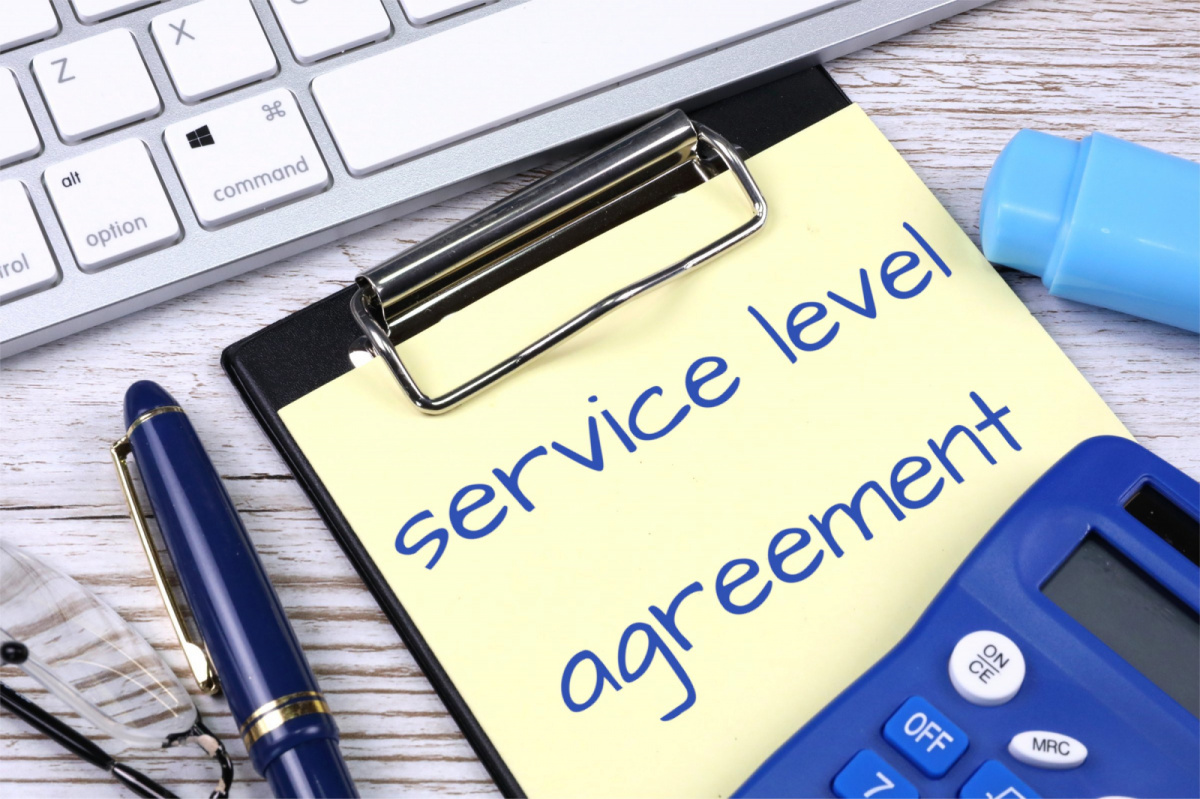
A medical record retrieval SLA is a formal agreement between your organization and a retrieval vendor that defines how quickly records should be obtained, how updates are communicated, and how issues are handled.
On paper, most SLAs look solid. They promise timelines. They outline responsibilities.
But in reality?
Most teams still find themselves:
- Chasing updates
- Dealing with missed deadlines
- Facing unexpected provider fees
- Scrambling during critical deadlines
That’s because a true SLA isn’t just a document—it’s an operational system.
At RRS, the SLA isn’t just something you sign. It’s something you can actually see, track, and rely on inside RecordSync.
Why Do Medical Record Retrieval SLAs Break Down?
If you’ve ever experienced delays despite having an SLA, you’re not alone.
Here’s where most SLAs fail:
Lack of Provider-Level Visibility
Many vendors operate as a “black box.” You don’t know:
- When requests were sent
- Who followed up
- What the provider said
RRS eliminates this with real-time tracking, giving you full visibility into every request, follow-up, and response.
No Standardized Follow-Up Cadence
Some vendors follow up inconsistently—leading to unnecessary delays.
RRS uses documented follow-up schedules to ensure providers are contacted consistently and at the right intervals.
Unclear Escalation Protocols
When a request stalls, what happens next?
If your SLA doesn’t define escalation timelines (structured steps taken when delays occur), delays can stretch for weeks.
RRS logs and tracks every escalation—so nothing gets stuck unnoticed.
Cost Unpredictability
Unexpected provider fees can halt requests entirely.
RRS solves this with pre-approved cost thresholds, meaning requests continue moving without constant back-and-forth approvals.
What Should Be Included in a Strong Medical Record Retrieval SLA?
A strong SLA doesn’t just define timelines—it defines how work gets done.
Here’s what to look for:
1. Turnaround Time Benchmarks
Not just “average turnaround,” but:
- Provider-specific expectations
- Clear timelines for different record types
RRS averages around 15 days, with faster timelines possible depending on provider responsiveness.
2. Communication and Status Updates
You should never have to ask:
- “What’s the status?”
RRS provides real-time updates inside RecordSync, eliminating the need for follow-ups.
3. Escalation Workflows
A strong SLA defines:
- When escalation begins
- How it progresses
- Who is responsible
RRS tracks every escalation step, ensuring accountability.
4. Cost Transparency
Look for:
- No markup on provider fees
- Pre-approved thresholds
- Clear cost visibility
RRS pays provider fees upfront, keeping pricing predictable.
5. Quality and Delivery Standards
This includes:
- Optical Character Recognition (OCR)
- Organized, indexed records
RRS ensures every record is usable, not just delivered.
How Does an SLA Impact Your Operations and Outcomes?
A weak SLA doesn’t just slow things down—it impacts your entire workflow.
Law Firms
Missed deadlines can delay case progression or settlement timelines.
RRS ensures records arrive when you need them—not when providers decide.
Life Sciences
Clinical trials depend on timely data.
Delayed records = delayed enrollment.
RRS helps accelerate timelines with consistent follow-ups and faster retrieval cycles.
Insurance
Claims processing slows when records are missing.
RRS removes bottlenecks by keeping requests moving and visible.
Digital Health
Patient onboarding depends on fast access to records.
RRS significantly reduces onboarding timelines by centralizing retrieval and eliminating delays.
How RRS Redefines the Medical Record Retrieval SLA
Most vendors treat SLAs as static agreements.
RRS turns them into dynamic, trackable systems.
Real-Time Visibility with RecordSync
Every request is visible:
- Status updates
- Follow-ups
- Escalations
No more guessing.
Structured Follow-Up and Escalation
RRS uses:
- Documented workflows
- Consistent outreach
- Logged escalation actions
This ensures requests don’t stall.
Pre-Approved Cost Controls
No delays due to:
- Fee approvals
- Unexpected costs
Everything moves forward smoothly.
Proven Performance
With an average turnaround of 15 days, RRS delivers speed backed by process—not promises.
Complete Delivery
When needed, RRS provides:
- Certified records
- Organized, indexed files
- Searchable PDFs
Because delivery isn’t the finish line—usability is.
How to Evaluate Your Current SLA (Quick Checklist)
If you’re unsure whether your SLA is working, ask:
- Do I have real-time visibility into every request?
- Are follow-ups happening consistently without my involvement?
- Is there a clear escalation timeline?
- Are costs predictable and pre-approved?
- Are records delivered in a usable format?
Red Flags to Watch For
- Frequent “status update” emails
- Delays without clear explanations
- Surprise fees
- Last-minute document gaps
If any of these sound familiar, your SLA isn’t working—it’s just existing.
Conclusion
A medical record retrieval SLA should do more than define expectations—it should drive results.
The difference between a weak SLA and a strong one is simple:
Visibility. Accountability. Execution.
RRS doesn’t just offer an SLA.
We operationalize it.
From real-time tracking in RecordSync to structured follow-ups and cost controls, everything is designed to eliminate delays and give you confidence in your workflow.
If your current vendor’s SLA isn’t delivering, it may be time to rethink what “service level” really means.
Book a demo and see how RRS turns SLAs into measurable performance.
FAQs
What is the typical SLA for medical record retrieval?
Most vendors quote 15–30 days, but actual performance varies widely depending on provider responsiveness and follow-up consistency.
How can I improve my current SLA performance?
Focus on visibility, escalation workflows, and consistent follow-ups. Using a platform like RecordSync helps standardize and track these processes.
What happens if a vendor misses an SLA?
Without enforcement mechanisms or tracking, missed SLAs often go unnoticed. Strong vendors log and proactively escalate delays.
Do SLAs guarantee turnaround time?
No. SLAs define expectations, but actual performance depends on execution, provider response, and follow-up processes.
How does technology improve SLA compliance?
Technology centralizes tracking, automates follow-ups, and provides real-time visibility—ensuring SLAs are actively managed rather than passively documented.