Key Takeaways
- DME must meet specific criteria, including being durable, primarily medical in purpose, and appropriate for home use.
- A wearable medical device is not automatically classified as DME.
- Required documentation varies by device, payer, coverage criteria, and purpose.
- Targeted medical record retrieval can help teams obtain the specific documentation they need without requesting unnecessary portions of the patient chart.
- Centralized request tracking can reduce manual follow-up and give teams better visibility into outstanding documentation.
Durable medical equipment (DME) and wearable medical devices can involve complex documentation requirements, particularly when medical records are needed to support medical necessity, reimbursement, research, claims, or other healthcare workflows.
For DME suppliers, wearable technology companies, digital health organizations, insurers, and life sciences teams, the challenge is often operational: What records do we need, where do we get them, and how do we keep requests moving?
These FAQs answer the most common questions about DME, wearables, medical documentation, and medical record retrieval.
1. What Is Durable Medical Equipment?
Durable medical equipment is medical equipment designed for repeated use that meets specific coverage criteria.
The Centers for Medicare & Medicaid Services (CMS) generally requires DME to withstand repeated use, serve a medical purpose primarily, generally not be useful to someone without an illness or injury, and be appropriate for use in the home.
Common examples include wheelchairs, hospital beds, oxygen equipment, and certain other medically necessary equipment.
For suppliers, determining that an item qualifies as DME is only one part of the process. Medical documentation may also be required to demonstrate that applicable coverage and medical necessity requirements have been met.
2. Are Wearable Medical Devices Considered DME?
Not automatically. “Wearable” describes how technology is used or worn, while DME is a specific equipment and coverage category.
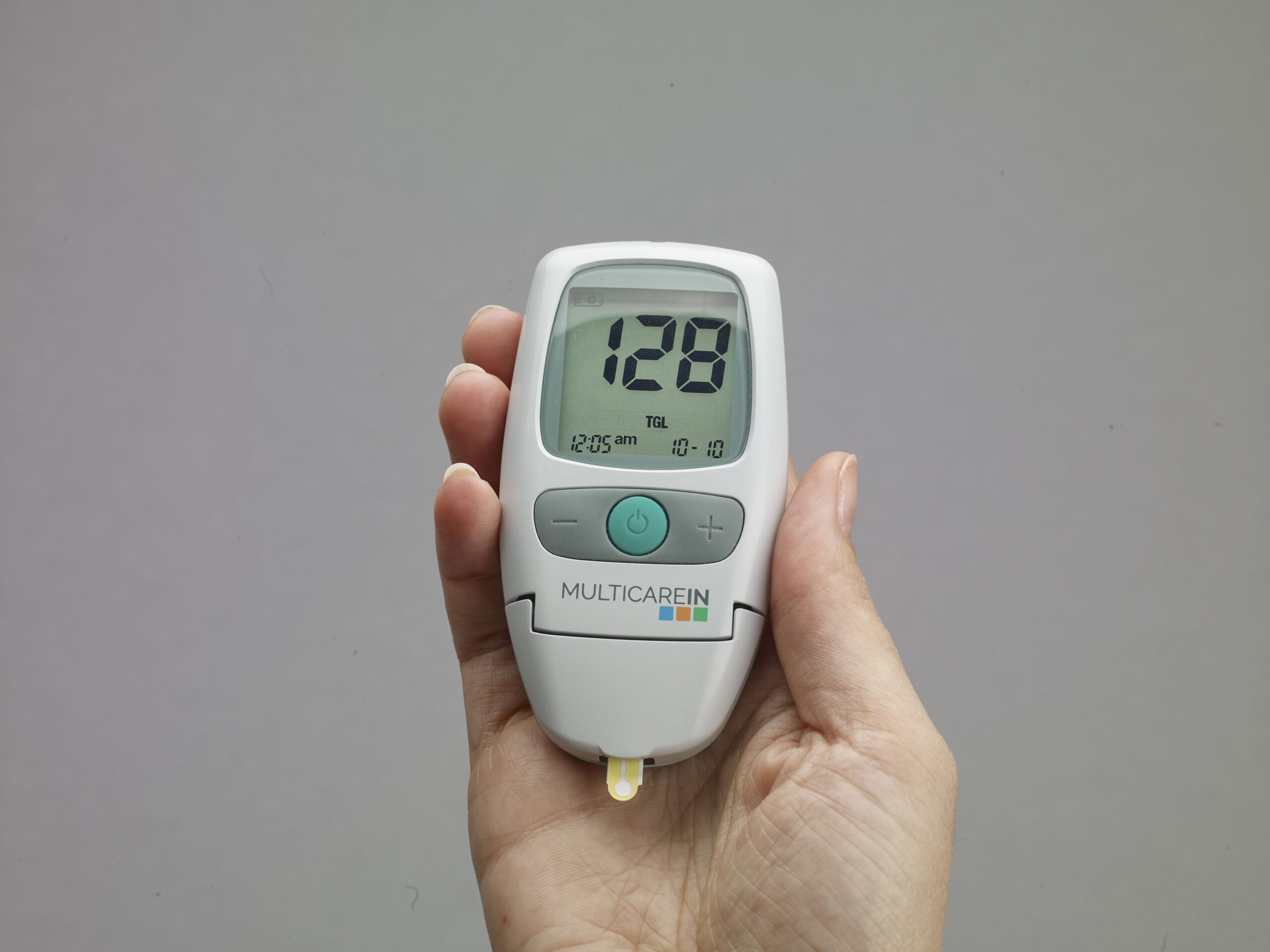
Wearable technologies can include smartwatches, patches, rings, sensors, monitors, and other devices that collect or communicate health information.
The U.S. Food and Drug Administration (FDA) includes wearable devices within the broader digital health landscape. Some wearable technologies meet the definition of a medical device, while others do not.
Whether a particular wearable qualifies for Medicare or another payer’s DME benefit depends on the device, its intended use, applicable benefit category, coverage policy, and supporting documentation.
3. What Medical Records May Be Needed for DME?
The required medical records depend on the equipment and applicable payer or coverage requirements.
Documentation may include:
- Physician or specialist progress notes
- Prescriptions or orders
- Relevant face-to-face encounter documentation
- Diagnostic test results
- Hospital and discharge records
- Therapy or rehabilitation notes
- Documentation of functional limitations
- Prior treatment history
- Records supporting medical necessity
Teams should verify the applicable requirements before requesting records rather than automatically requesting the patient’s entire chart.
At Record Retrieval Solutions (RRS), we recommend defining the provider, date range, and document types required before initiating retrieval. A more targeted request makes it easier to determine whether the returned documentation satisfies the original need.
4. What Medical Records May Be Needed for Wearable Medical Devices?
Wearable device workflows may require records establishing the patient’s diagnosis, condition, treatment history, or clinical need for the technology.
Depending on the device and purpose, these records could include physician notes, laboratory results, diagnostic testing, prescriptions, monitoring records, or treatment histories.
The documentation required for reimbursement may also differ significantly from documentation needed for clinical research, insurance review, or another business purpose.
For that reason, organizations should start with the intended use of the records and work backward to determine what needs to be retrieved.
5. Why Do DME Suppliers Need Medical Records?
DME suppliers may need medical records to support medical necessity, coverage, reimbursement, appeals, and other documentation requirements.
An order or prescription alone may not always provide all the information required under the applicable coverage policy.
Supporting clinical documentation may be necessary to demonstrate the patient’s condition, functional limitations, previous treatment, or why particular equipment is medically necessary.
The challenge increases when those records must be obtained from multiple physicians, hospitals, clinics, or therapy providers.
6. What Causes Delays in DME Medical Record Retrieval?
Provider response time is only one potential source of delay. Problems can occur before, during, and after a request reaches the provider.
Common causes include:
Retrieval Issue | Operational Impact |
Incorrect provider or location | Request must be redirected |
Missing authorization information | Provider may reject or hold the request |
Provider-specific requirements | Additional forms or information may be needed |
Incomplete provider response | Required documentation remains outstanding |
Wrong date range | Relevant clinical records may be missing |
Multiple record sources | Staff must track several requests for one case |
Limited status visibility | Teams spend time manually checking requests |
This is why retrieval should be managed as a workflow rather than simply sending requests and waiting for records.
7. How Long Does Medical Record Retrieval Take?
There is no universal turnaround time because each provider controls its own response process.
Turnaround can depend on the provider, record type, date range, authorization, request complexity, and whether additional follow-up is required.
RRS currently averages approximately 15 days for medical record retrieval, although individual requests may take more or less time depending on the facility.
For DME and wearable organizations, turnaround should therefore be evaluated alongside another important metric: visibility. Teams should know where a request stands even when the records have not yet arrived.
8. How Can DME Companies Track Outstanding Medical Record Requests?
A centralized retrieval system can give teams visibility into requests without relying on spreadsheets, email chains, and repeated internal status checks.
RecordSync, the RRS medical record retrieval platform, lets organizations submit requests, monitor status, view activity, and securely receive completed records through a centralized workflow.
This becomes particularly valuable when a team is managing high volumes of documentation across multiple patients and healthcare providers.
Instead of asking, “Did anyone follow up on this record?” teams can work from a shared request history.
9. What Happens If the Provider Sends Incomplete Records?
Receiving records does not necessarily mean the retrieval request is complete. The response should be compared against what was originally requested.
For example, a provider might return office notes but omit diagnostic testing or documentation from the requested date range.
Organizations should have a process to identify these deficiencies and determine whether additional provider follow-up is required.
This is one reason RRS focuses on the full retrieval workflow rather than treating file receipt as the only endpoint.
10. Can DME and Wearable Companies Outsource Medical Record Retrieval?
Yes. Organizations can outsource provider outreach, follow-up, retrieval, and delivery in the medical record retrieval process.
Outsourcing can be especially useful when internal employees are spending significant time:
- Calling healthcare providers
- Tracking outstanding requests
- Managing provider correspondence
- Following up on incomplete responses
- Organizing received records
- Reporting request status to other departments
RRS provides medical record retrieval services for DME suppliers, wearable medical equipment companies, medical device organizations, pharmaceutical companies, clinical research organizations (CROs), digital health companies, insurers, legal organizations, and other businesses that depend on medical documentation.
11. Can Medical Record Retrieval Integrate With Existing Software?
Yes, depending on the retrieval provider and the software your organization uses.
For organizations using Filevine, RRS offers a RecordSync integration that allows medical record requests to be initiated directly within Filevine. Completed records and request information can then flow back into the case-management workflow.
For DME, wearable, and life sciences organizations that do not use Filevine, RecordSync provides a centralized environment for managing RRS retrieval requests.
When evaluating a retrieval partner, organizations should ask whether their teams will be able to see request status without repeatedly contacting the vendor for updates.
12. What Should DME and Wearable Companies Look for in a Medical Record Retrieval Partner?
Look beyond the ability to request records. The retrieval partner should help your team manage the entire request lifecycle.
Evaluate whether the provider offers:
- Clear request status visibility
- Reliable provider follow-up
- Secure record delivery
- Support for authorization workflows
- Processes for identifying incomplete responses
- Centralized request history
- Support for higher request volumes
- Access to knowledgeable support when problems occur
- Integrations with existing systems where appropriate
The goal is not simply to outsource calls to healthcare providers. It is to create a more controlled, visible, and scalable medical record retrieval process.
Conclusion: Make DME and Wearable Documentation Easier to Manage
DME and wearable workflows often depend on medical documentation that sits outside your organization. When records are spread across multiple providers, departments, and systems, obtaining the right documentation can become an operational bottleneck.
A more effective approach starts with defining exactly what records are needed, requesting them from the correct sources, tracking each request through completion, and confirming that the records received match the original request.
RRS helps DME suppliers, wearable medical device companies, digital health organizations, insurers, life sciences companies, and other organizations manage this process through medical record retrieval services and RecordSync. With centralized request tracking, provider follow-up, and secure record delivery teams can maintain better visibility without relying on spreadsheets, email chains, and repeated status checks.
Want to see how a more centralized retrieval process could work for your organization? Book a demo with RRS.
FAQs
Can DME and wearable companies retrieve records from multiple healthcare providers at once?
Yes. Medical documentation can be requested from multiple providers when the required records are distributed across physicians, hospitals, specialists, diagnostic facilities, or other sources. A centralized retrieval workflow makes it easier to track each request and identify outstanding documentation.
Do DME companies need the patient's entire medical record?
Not necessarily. The appropriate scope depends on the purpose of the request and applicable documentation requirements. Targeting the relevant providers, dates, and record types can reduce unnecessary records and make it easier to determine whether the required documentation has been received.
How can DME and wearable companies choose a medical record retrieval provider?
Look for more than basic request fulfillment. Evaluate the provider’s request tracking, provider follow-up, secure delivery, authorization workflows, support for incomplete records, scalability, customer support, and integrations. The right partner should give your team visibility throughout the retrieval process, not just deliver records when the request is complete.