Key Takeaways
- Wearable technology is rapidly expanding clinical data sources across healthcare, research, and insurance.
- Devices like smartwatches, glucose monitors, and ECG wearables generate continuous, high-volume patient data.
- The biggest challenge isn’t adoption; it’s retrieving, organizing, and validating wearable data alongside traditional medical records.
- Companies that fail to integrate wearable data risk delays, compliance gaps, and incomplete case insights.
- Record Retrieval Solutions (RRS) helps organizations bridge this gap by centralizing data retrieval, ensuring completeness, and improving turnaround times.
What Is Wearable Technology in Healthcare?
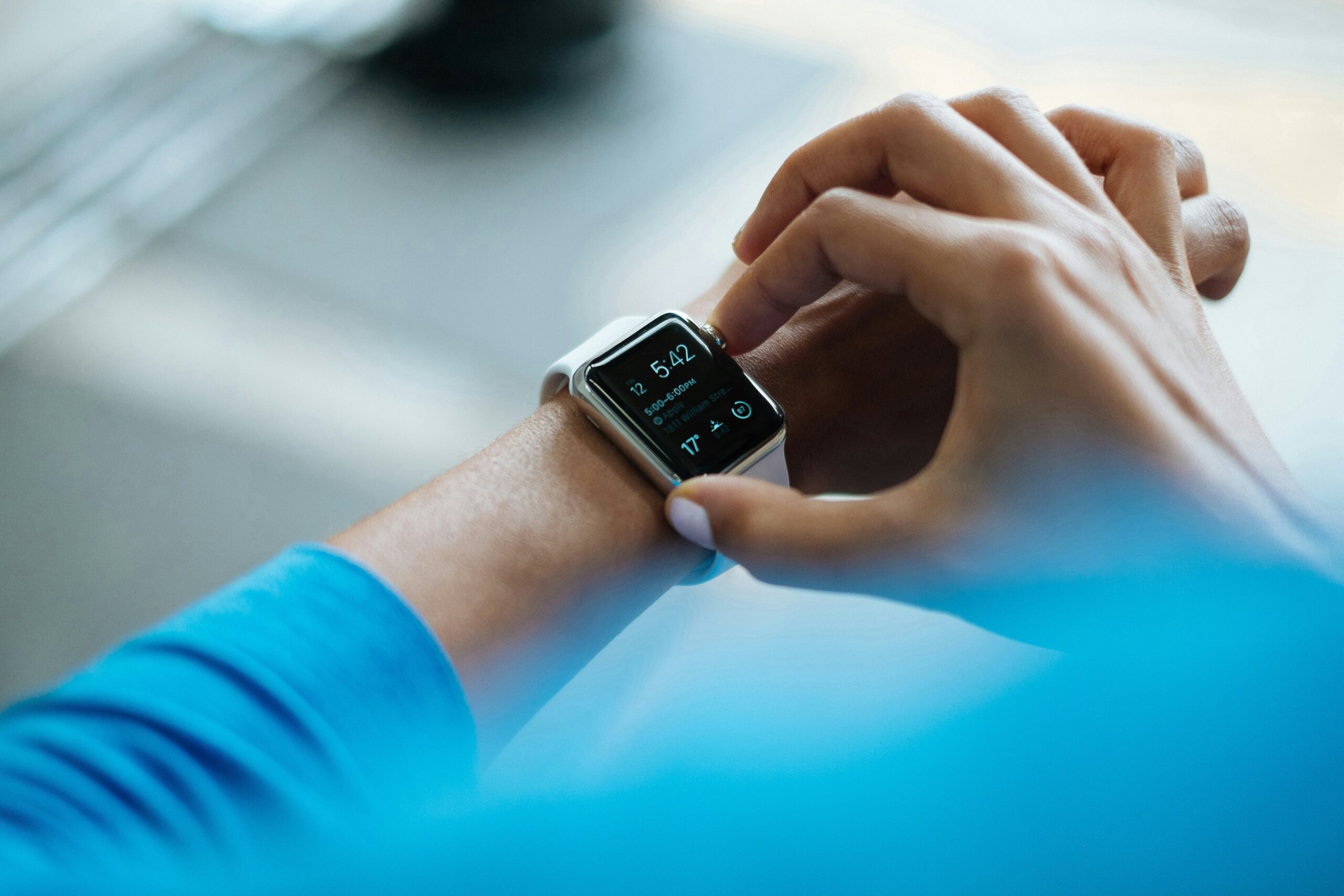
Wearable technology refers to electronic devices worn on the body that collect health-related data in real time. These include smartwatches, biosensors, and remote monitoring tools that track metrics like heart rate, glucose levels, and activity.
Unlike traditional medical records, wearable devices produce continuous streams of patient-generated data, often stored across multiple platforms, apps, and providers.
Why this matters
For organizations in life sciences, this creates a new challenge:
- Data is not centralized
- Formats vary across devices
- Access often requires multiple authorizations
This is where Record Retrieval Solutions (RRS) becomes critical. We help healthcare companies rely on fast, accurate, and efficient medical record retrieval to support insurance reimbursements, regulatory compliance, and patient care.
We understand the challenges of navigating complex retrieval processes, which is why we’ve developed a streamlined solution that eliminates inefficiencies and delays.
Why Does Wearable Technology Create New Data Challenges?
Fragmented Data Sources
Wearable data is often stored in:
- Mobile apps
- Cloud-based platforms
- Provider systems
Without a centralized process, teams waste time chasing incomplete datasets.
Compliance and Security Risks
Healthcare data must comply with HIPAA. Wearable data introduces additional risks:
- Unverified sources
- Inconsistent authorization formats
- Security gaps during transfer
RRS ensures secure, compliant workflows with a full chain of custody.
Operational Impact
For high-stakes workflows like:
- Clinical trials
- Insurance claims
- Litigation
Incomplete wearable data can delay decisions or weaken outcomes.
10 Examples of Wearable Technology in Healthcare
1. Smartwatches and Fitness Trackers
Devices like smartwatches track:
- Heart rate
- Activity levels
- Sleep patterns
They are widely used but often lack direct integration into medical records, making retrieval complex.
2. Continuous Glucose Monitors (CGMs)
Continuous Glucose Monitors (CGMs) are devices that track blood sugar levels in real time for patients with diabetes.
These generate high-frequency data critical for:
- Clinical studies
- Insurance validation
3. Wearable ECG Monitors
Electrocardiogram (ECG) monitors track heart rhythm abnormalities.
These devices are often used for:
- Cardiac monitoring
- Early diagnosis
4. Blood Pressure Monitoring Wearables
These devices allow continuous or periodic monitoring outside clinical settings.
However, data is often:
- Patient-controlled
- Stored in apps
5. Wearable Sleep Trackers
Sleep trackers monitor:
- Sleep cycles
- Oxygen levels
- Rest quality
6. Smart Clothing and Biosensors
Smart garments embed sensors to track:
- Muscle activity
- Posture
- Movement
These are increasingly used in:
- Rehabilitation
- Sports medicine
7. Wearable Neuro Devices
These devices monitor brain activity and are used in:
- Epilepsy management
- Neurological research
8. Fall Detection Devices
Common in elderly care, these devices detect sudden falls and alert caregivers.
They provide valuable incident data for:
- Insurance claims
- Long-term care assessments
9. Wearable Respiratory Monitors
Used to track breathing patterns and oxygen levels, especially in chronic conditions.
These devices are critical for:
- Post-COVID monitoring
- Pulmonary care
10. Remote Patient Monitoring Devices
Remote Patient Monitoring (RPM) devices allow providers to track patients outside clinical settings.
RPM integrates multiple wearable technologies.
The challenge? Data is scattered across systems.
How Can Organizations Manage Wearable Data Effectively?
Centralized Retrieval Is No Longer Optional
Organizations need a single workflow to:
- Request wearable data
- Track progress
- Ensure completeness
Without this, teams face delays and rising costs.
Integration with Medical Records
Wearable data must be:
- Verified
- Structured
- Combined with provider records
RRS bridges this gap by handling:
- Provider outreach
- Follow-ups
- Data consolidation
Why RRS Is Critical in the Wearable Technology Ecosystem
Wearable technology is growing fast but retrieval processes haven’t kept up.
RRS enables organizations to:
- Access complete datasets (including wearable + provider records)
- Reduce turnaround times with proactive follow-ups
- Maintain compliance with secure workflows
- Eliminate manual tracking through centralized visibility
For life sciences companies, insurers, and law firms, this means:
- Faster decisions
- Stronger cases
- Better outcomes
Conclusion
Wearable technology is reshaping healthcare but it’s also introducing complexity.
The organizations that win in this space aren’t just adopting devices; they’re mastering medical record retrieval to access the records they need for insurance reimbursement, compliance, and patient care.
That’s where Record Retrieval Solutions (RRS) stands out.
By bridging the gap between wearable data and traditional medical records, RRS ensures you’re working with complete, actionable information not partial insights.
Book a demo or call us today.
FAQs
What is wearable technology in healthcare?
Wearable technology includes devices worn on the body that collect health data such as heart rate, glucose levels, and activity.
Why is wearable data difficult to retrieve?
Because it is stored across multiple platforms, apps, and providers, often without standardized formats or centralized access.
How does wearable technology impact medical record retrieval?
It increases data volume and complexity, requiring more advanced retrieval and integration processes.
Who benefits most from wearable healthcare data?
Life sciences companies, insurers, and legal professionals benefit from more comprehensive patient insights.
How can organizations manage wearable data effectively?
By using centralized retrieval partners like RRS, you can ensure that data is complete, compliant, and easy to access.