Key Takeaways
- A medical record retrieval portal is a centralized platform for requesting, tracking, and receiving medical records.
- Without a portal, teams struggle with delays, a lack of visibility, and manual follow-ups.
- Modern portals provide real-time tracking, secure delivery, and full audit trails.
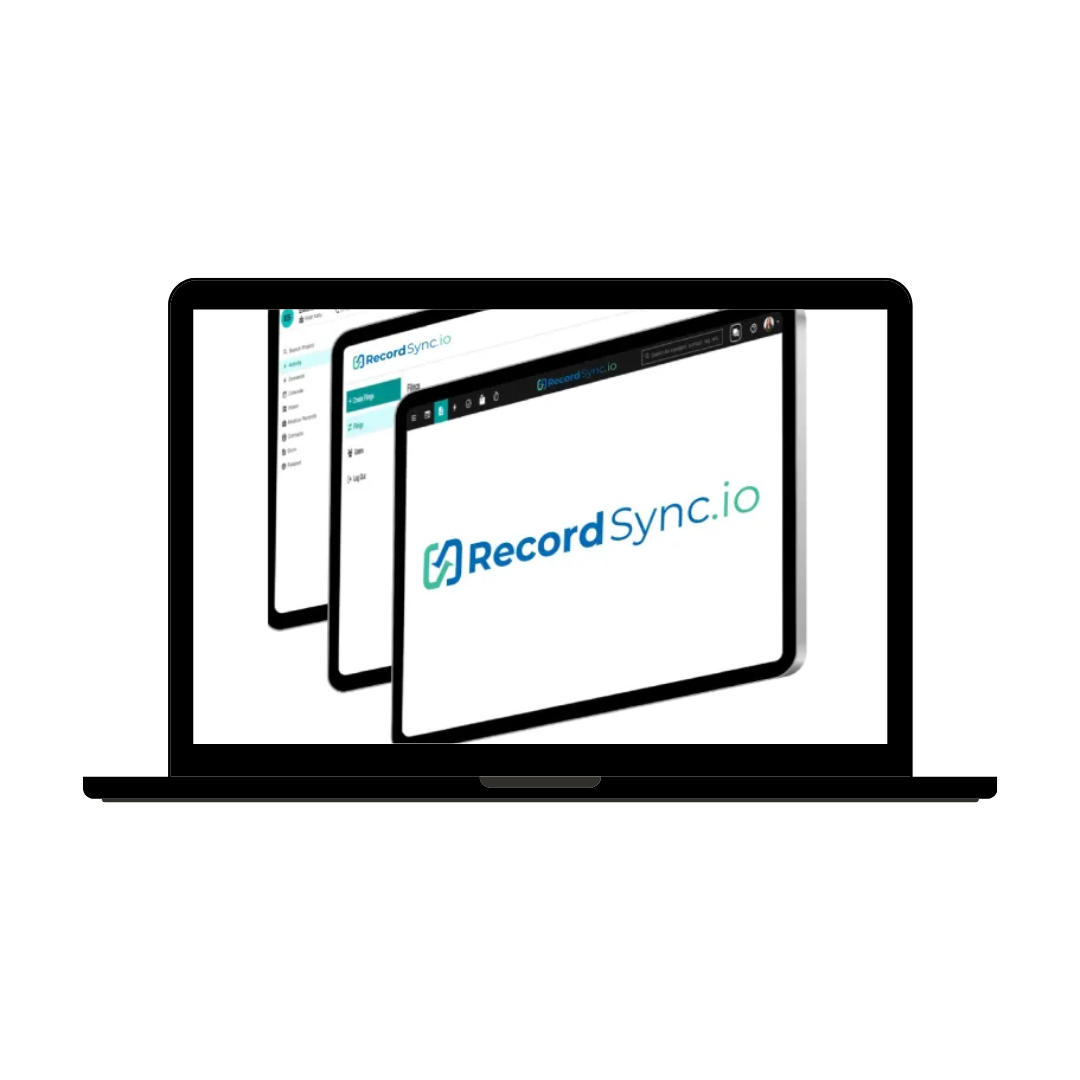
- Record Retrieval Solutions (RRS) built RecordSync to eliminate workflow bottlenecks and centralize the entire process.
- Organizations that adopt portal-based retrieval reduce administrative workload and improve turnaround times.
A medical record retrieval portal is a secure, centralized system that allows organizations to submit medical record requests, track progress, and receive documents digitally, all within a HIPAA-compliant system.
Instead of juggling emails, phone calls, spreadsheets, and multiple vendor portals, you can do it all in one place.
Think of it as the command center for your entire retrieval process.
But here’s the key difference: Not all portals are created equal.
Some are simply self-service tools, meaning your team still handles provider outreach, follow-ups, and problem-solving.
Others like RecordSync by Record Retrieval Solutions (RRS) combine technology with a dedicated retrieval team, so the work is handled for you.
That distinction is what separates operational efficiency from operational drag.
Why Are Medical Record Retrieval Portals Important Today?
What challenges do teams face without a portal?
If you’re managing medical record retrieval without a centralized system, you already know the pain points:
- No visibility into request status
- Constant follow-ups with providers
- Delays that stall cases or claims
- Unpredictable costs tied to provider fees
- Disconnected workflows across teams
Most teams don’t realize how much time they’re losing until they measure it.
In many cases, staff spend hours each week just chasing updates.
How do portals solve these issues?
A modern medical record retrieval portal changes how the entire process operates:
- Centralization: All requests, updates, and documents in one platform
- Real-time tracking: Know exactly where each request stands
- Workflow automation: Reduce manual follow-ups and repetitive tasks
- Transparency: Clear audit trails and communication logs
With RecordSync, RRS goes further by actively managing the retrieval process—tracking deficiencies (missing or incorrect information that delays fulfillment) and escalating requests before they become bottlenecks.
The result: fewer surprises and faster outcomes.
How Does a Medical Record Retrieval Portal Work?
Step-by-step workflow
Here’s how a typical portal-based retrieval process works:
- Submit a request
Upload patient authorization and specify the records needed. - Provider outreach begins
The retrieval team contacts healthcare providers and submits requests. - Tracking and follow-ups
Status updates are logged in real time, and follow-ups are handled systematically. - Secure record delivery
Records are delivered digitally through the portal.
Where RRS fits into the process
This is where many organizations get it wrong.
A portal alone doesn’t solve delays; it only organizes them.
RecordSync is different because RRS actively manages:
- Provider communication
- Requirements verification
- Escalation timelines
- Fee tracking and approvals
Instead of your team chasing records, RRS does the work while you maintain full visibility.
That’s the difference between a tool and a solution.
What Features Should You Look for in a Medical Record Retrieval Portal?
Core features
At a minimum, your portal should include:
- Real-time tracking so you’re never guessing status
- Secure document delivery compliant with HIPAA (Health Insurance Portability and Accountability Act, a U.S. law that protects patient health information)
- Audit trails showing every action taken
- Deficiency tracking to prevent delays
Advanced capabilities
Modern teams need more than the basics:
- Optical Character Recognition
- System integrations with platforms like case management tools
- Automated workflows that reduce manual intervention
- Document organization tools like indexing and Bates stamping (a method of labeling documents for legal use)
RecordSync includes these capabilities while ensuring every record delivered is clean, searchable, and ready for use.
Who Benefits Most from a Medical Record Retrieval Portal?
A medical record retrieval portal isn’t just for one industry; it’s essential across multiple sectors.
Law firms
- Build stronger cases with complete records
- Avoid last-minute discovery issues
Insurance companies
- Accelerate claims processing
- Improve cost control and visibility
Life sciences organizations
- Access patient data for research and trials
- Maintain compliance with strict documentation requirements
Digital health companies
- Support reimbursement workflows
- Ensure accurate documentation for payers
Across all industries, the common goal is the same: eliminate delays and gain control.
That’s exactly what RRS delivers through RecordSync.
Why RecordSync Is Built for Modern Medical Record Retrieval
What makes RecordSync different?
RecordSync isn’t just software—it’s a fully managed retrieval ecosystem built by RRS.
Here’s what sets it apart:
- Centralized portal + expert team
- Full chain of custody (complete tracking of records from request to delivery)
- Real-time visibility into every request
- Live deficiency logs to prevent delays
Real operational impact
When teams switch to RecordSync, the impact is immediate:
- Reduced administrative workload
- Faster turnaround times (average of 15 days, depending on providers)
- Improved accuracy and completeness of records
More importantly, your team can focus on higher-value work rather than chasing down documents.
How to Choose the Right Medical Record Retrieval Portal
Before choosing a portal, ask these questions:
- Does it provide real-time visibility, or just status updates?
- Is retrieval fully managed, or does your team still do the work?
- Are there clear escalation processes in place?
- Does it integrate with your existing systems?
Red flags to avoid
- Portals that require heavy manual follow-up
- Limited transparency into provider communication
- Delayed or incomplete record delivery
If your current process still feels chaotic, the portal isn’t solving the real problem.
Conclusion
A medical record retrieval portal is no longer optional; it’s essential for organizations that rely on timely, accurate records.
But technology alone isn’t enough.
The real value comes from combining a powerful portal with a team that knows how to navigate provider requirements, manage follow-ups, and prevent delays.
That’s where Record Retrieval Solutions (RRS) stands out.
With RecordSync, you don’t just get visibility—you get results.
Ready to eliminate delays and take control of your retrieval process?
Book a demo or call us today.
FAQs
What is the purpose of a medical record retrieval portal?
A medical record retrieval portal centralizes the process of requesting, tracking, and receiving medical records, improving efficiency and visibility.
Is a portal better than manual retrieval?
Yes. Portals reduce manual work, provide real-time updates, and streamline communication, leading to faster turnaround times.
How secure are medical record portals?
Most portals are HIPAA-compliant, ensuring patient data is protected through secure workflows and encryption.
How long does retrieval take using a portal?
Turnaround times vary by provider, but with RRS, the average is around 15 days.
Can RecordSync integrate with existing systems?
Yes. RecordSync integrates with case management and workflow systems to streamline operations like Filevine.